

BETTER TASTING PASTA POWERED BY RESCUED BREAD

Wasted Pasta: Casarecce Di Pane
A Delicious Way to Fight Food Waste.
Wasted Pasta is pasta with purpose—crafted in Italy to reduce food waste without compromising on taste, texture, or quality.
- Made with 25% rescued bread
- Giving back, 1 portion (100g) donated for every 1kg sold
- Eco-conscious packaging (100% recyclable paper)
- 100% vegan-friendly
- Chef-Tested by Michelin Star Kitchens
- Bronze die extruded for a rustic texture that hugs sauce perfectly
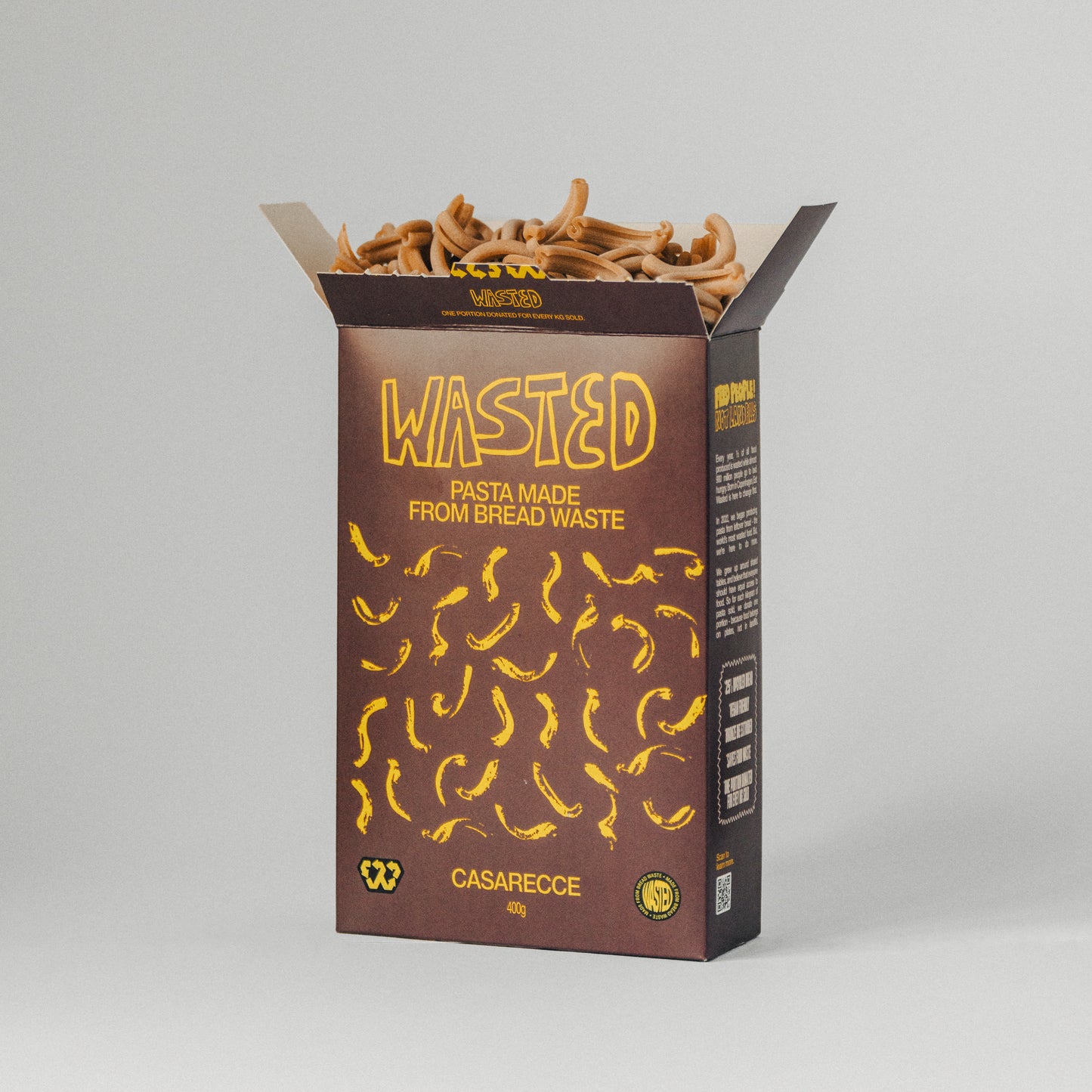
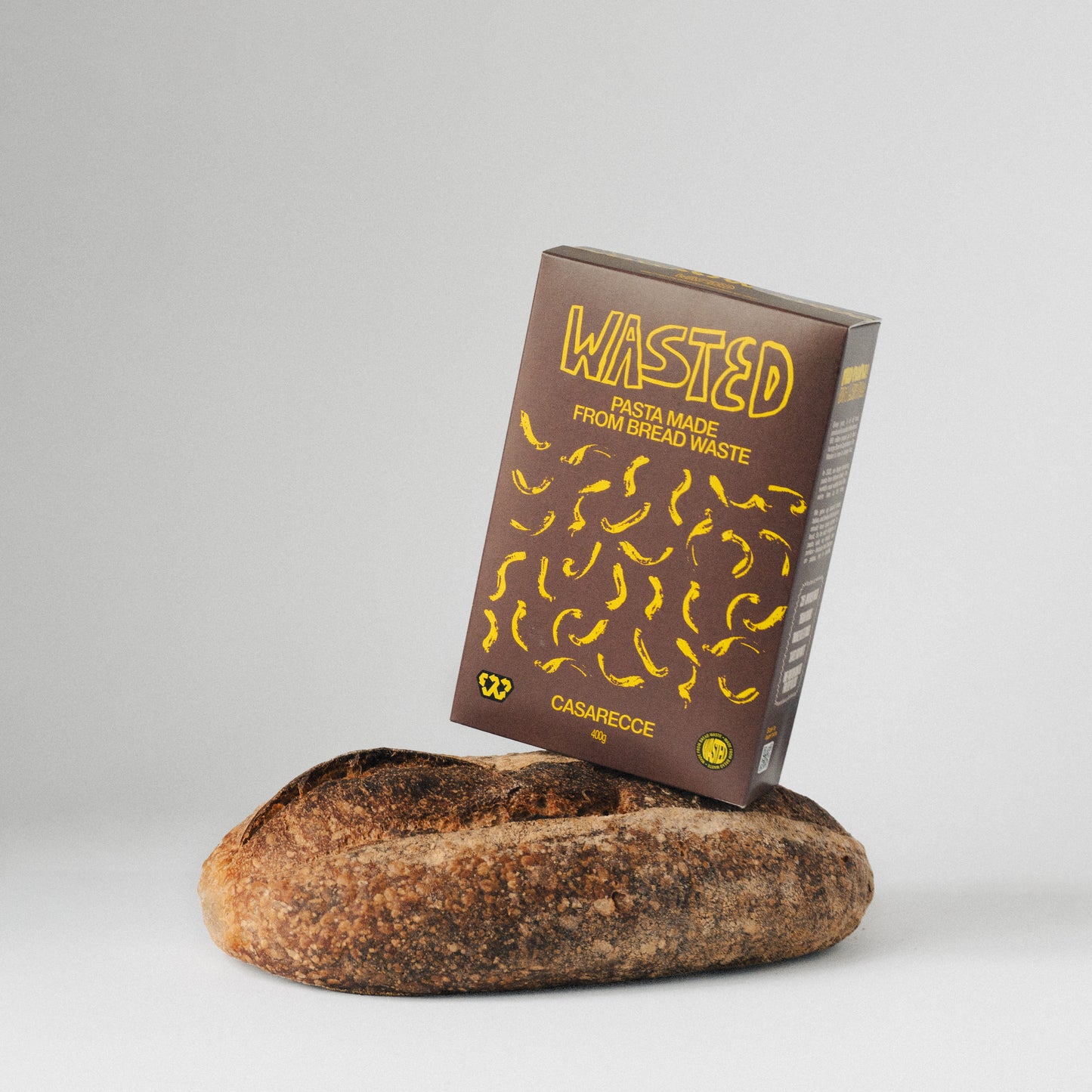
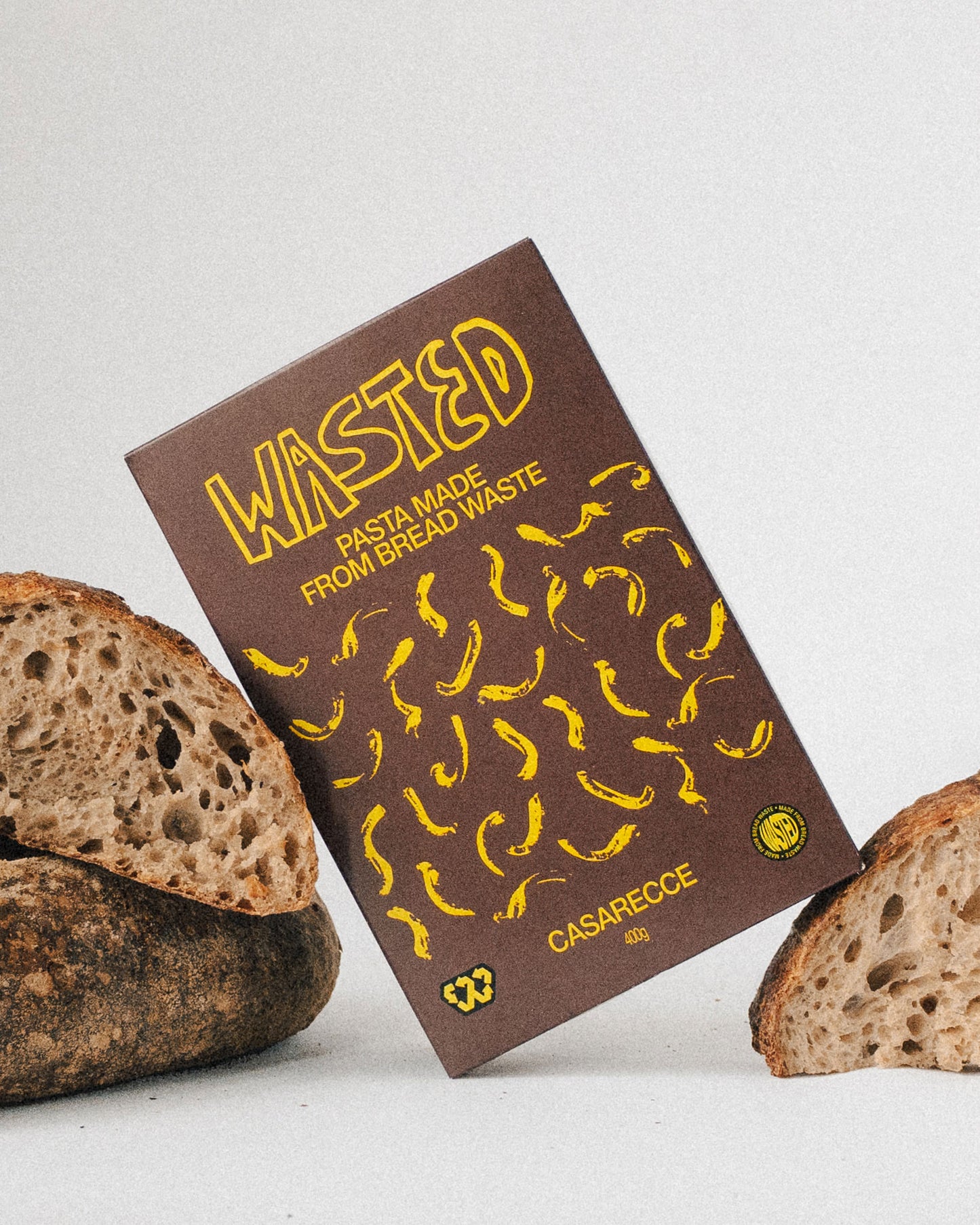
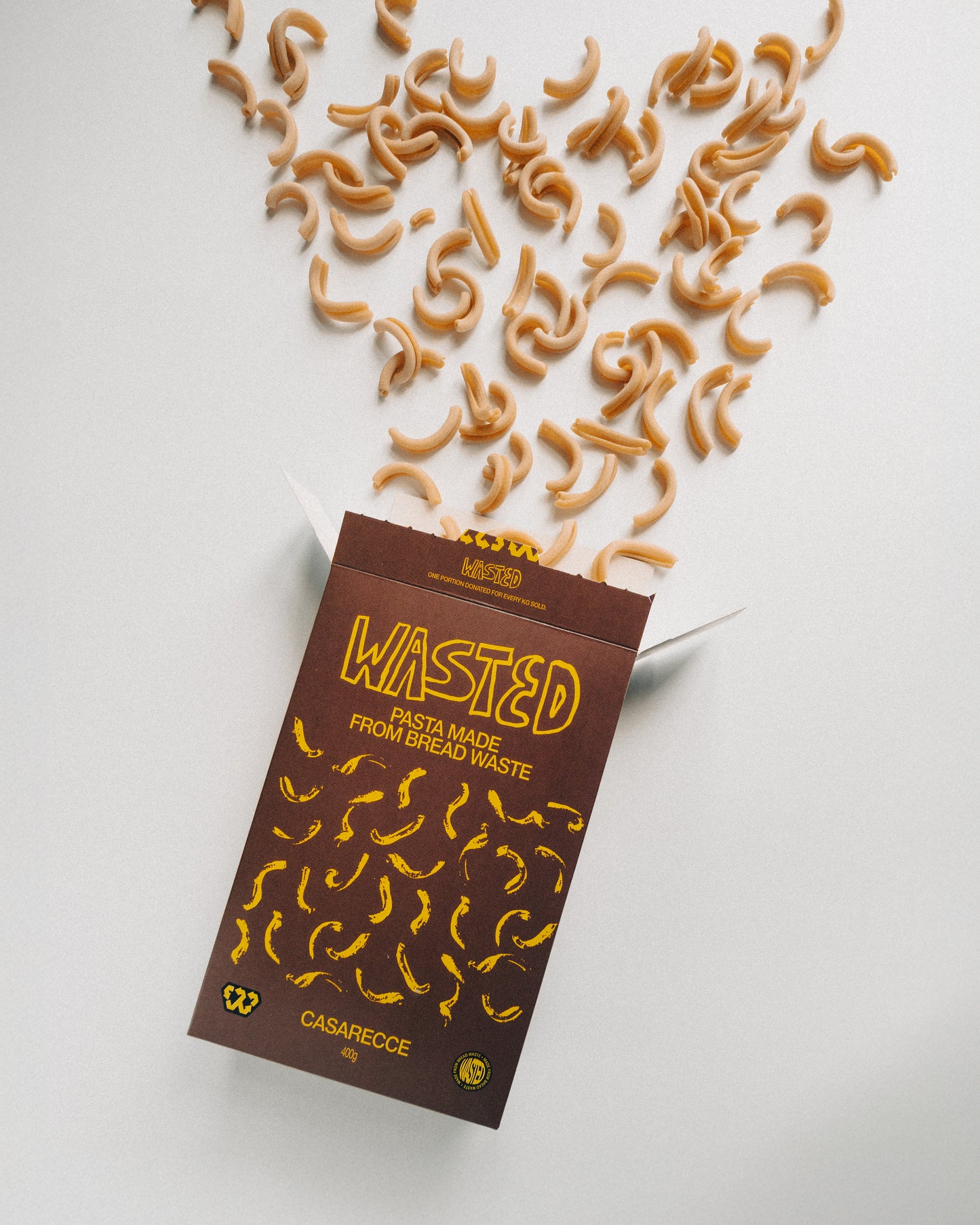
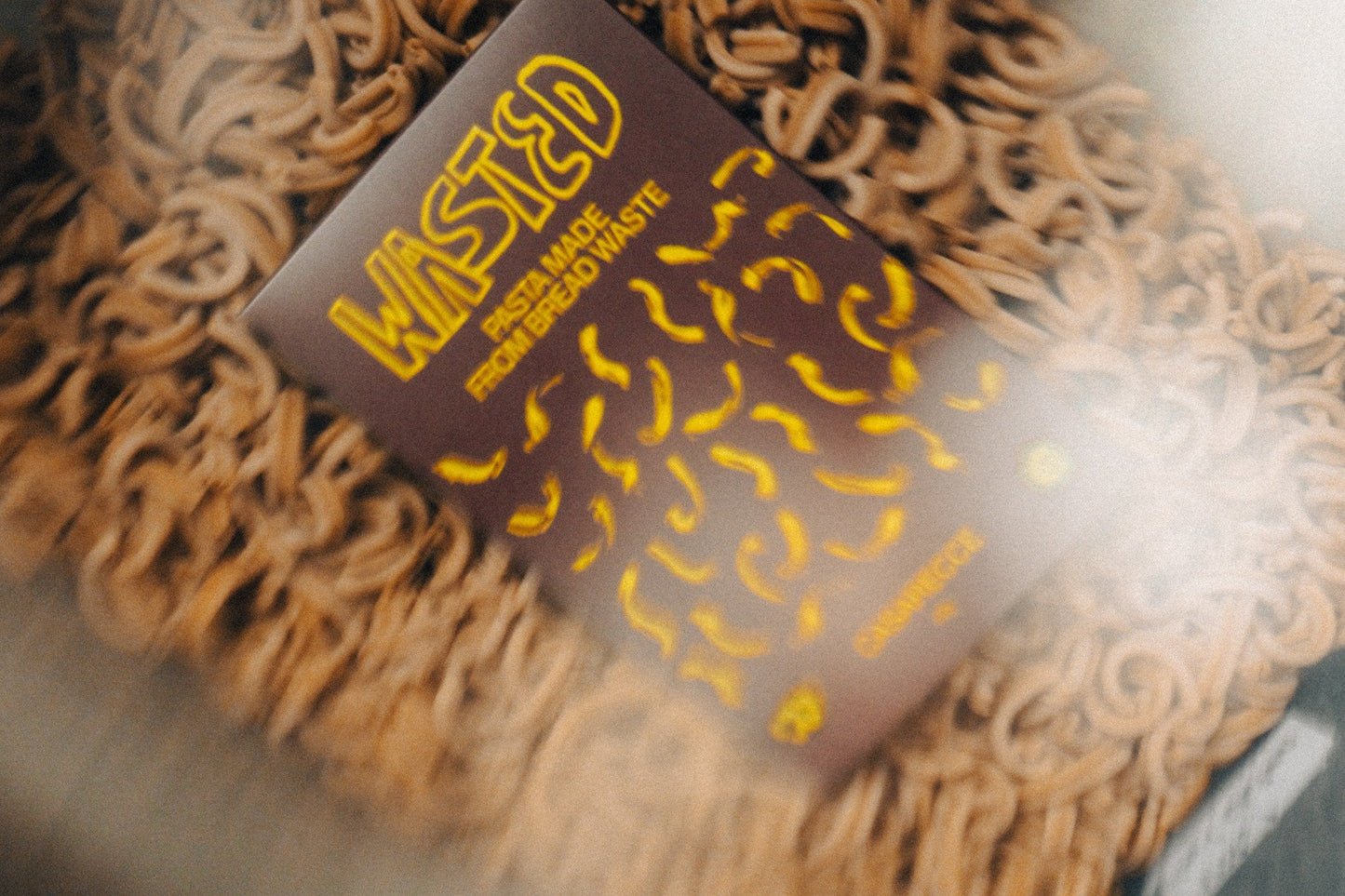

Our story began with waste.
Wasted started with a simple idea: take what others throw away and turn it into something worth gathering around the table for.
Surplus bread into pasta. Leftovers into meals. Strangers into friends. Food waste into memories.
Because the best things in life are often the ones that almost went to waste.
faqs
Trash Talk, Answered
What is Wasted Pasta?
Wasted is premium pasta made with rescued bread and traditional pasta flour. We rescue perfectly good bread that would otherwise go to waste and give it a second life as something worth gathering around.
The result is pasta with a perfect al dente bite, a subtle toasted nutty bread flavor, and a simple way to help reduce food waste—one meal at a time. We donate 1 portion for every 10 sold to help feed food insecure members of the community.
Why is Wasted Pasta made from bread?
Because rescued bread makes better pasta.
It adds a richer, nuttier flavor, a satisfying bite, and a texture that holds sauce beautifully.
Bread and pasta have shared the same table for centuries. We're simply giving perfectly good bread a second life by turning it into one of the world's most beloved staples instead of letting it go to waste.
A better pasta. Made from rescued bread.
What is rescued bread?
Rescued bread is perfectly good bread that never gets the chance to be eaten. It may be overproduced, misshapen, or left over due to forecasting and packaging changes—but it's always fresh, safe, and high quality.
At Wasted, we rescue this bread directly from European bakeries, dry it, mill it into flour, and blend it with premium Italian durum wheat to create our pasta.
The result? A perfect al dente bite, a subtle toasted bread flavor, and one less loaf going to waste
Is rescued bread safe to eat?
Yes. The bread we use is fresh and perfectly safe and sourced directly from trusted European bakeries before it ever becomes waste.
Every batch is carefully inspected, dried, milled, and processed under strict food safety standards before becoming pasta. We only rescue bread that's suitable for human consumption—never spoiled or moldy bread.
Why shouldn't bread be wasted?
Bread is one of the world's most wasted foods, even though much of it is perfectly good to eat.
When edible food is thrown away, all the water, energy, land, and work that went into making it are wasted too. We believe good bread belongs on plates—not in landfills.
Why not just make regular pasta?
Because the most sustainable ingredient is often the one we already have.
We LOVE traditional pasta. But when millions of loaves of perfectly edible bread go uneaten every day, we saw an opportunity to make pasta differently.
We chose to give that bread a second life instead—creating exceptional pasta that's good for your plate and better for the food system.
Why make more, when we can waste less?
Why only 25% rescued bread?
Because that's where taste, texture, and impact come together.
After years of testing with chefs and food scientists, we found that replacing 25% of the wheat with rescued bread creates the perfect balance: exceptional flavor, the ideal al dente bite, and meaningful food waste reduction.
Could we use more? Maybe. But we refuse to compromise on taste. The best way to reduce food waste is to make tasty food people genuinely want to eat.
How is Wasted Pasta made?
We start by rescuing surplus bread from artisan European bakeries before it becomes waste. The bread is dried, milled into our fine signature bread flour and used as an ingredient in our pasta, which is 25% bread waste, and blended with premium Italian durum wheat.
From there, it's crafted using traditional pasta lines and slow drying methods to create pasta with exceptional texture and flavor.
What are the ingredients in Wasted Pasta?
Wasted Pasta is made with just a handful of simple ingredients: durum wheat semolina, rescued bread (wheat flour, salt, and yeast), Manitoba wheat flour, and vital wheat gluten.
That's it. No eggs, no binders, no additives, no preservatives. Just delicious, high-protein pasta made with rescued bread.
What shapes do you make?
Our pasta comes in four signature short shapes.
In the US, you'll find Penne, Shells, and Rotini. In Europe, we currently offer Casarecce.
As we grow, we'll continue expanding our lineup with new shapes—always made with rescued bread.
How much pasta is a portion?
A standard serving of dry pasta is 100g (3.5 oz) per person.
We use this as the benchmark for our donation program, so every 10 packs of Wasted help provide the equivalent of one pasta meal through our community partners. It's a simple, transparent way to measure the impact we're making together.
What's the shelf life of Wasted Pasta?
For the best flavor and texture, we recommend enjoying it within 2 years and storing it in a cool, dry place. Just like traditional dried pasta.
First Dibs, Zero Waste
New shapes, real impact
straight to your inbox.